
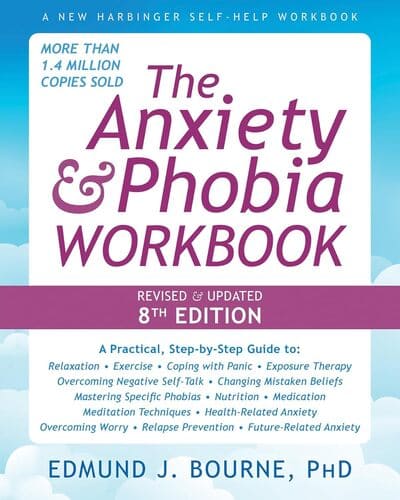
 The Anxiety and Phobia Workbook is a comprehensive guide to understanding and managing various anxiety disorders, including panic disorder, agoraphobia, social phobia, specific phobias, generalized anxiety disorder (GAD), obsessive-compulsive disorder (OCD), and post-traumatic stress disorder (PTSD). The book provides practical techniques, therapeutic strategies, and lifestyle changes to support recovery.
Understanding Anxiety Disorders
Panic Disorder: Sudden, intense fear attacks with symptoms like a racing heart, sweating, or trembling.
Agoraphobia: Fear of being in places where escape may be difficult, often leading to avoidance of public spaces.
Social Phobia: Fear of being judged by others, causing avoidance of social interactions.
Specific Phobias: Extreme fear of specific objects or situations (e.g., flying, animals).
Generalized Anxiety Disorder (GAD): Chronic worry about everyday issues, often with physical symptoms like tension or fatigue.
Obsessive-Compulsive Disorder (OCD): Repetitive thoughts (obsessions) and behaviors (compulsions) aimed at reducing anxiety.
Post-Traumatic Stress Disorder (PTSD): Anxiety triggered by a traumatic event, leading to flashbacks, nightmares, or avoidance behaviors.
Causes and Contributing Factors
Anxiety can stem from genetic predisposition, brain chemistry, childhood environment, self-talk, and recent life stressors. Short-term triggers include personal losses, while long-term maintenance factors involve avoidance behaviors, false beliefs, poor diet, and lack of assertiveness.
A Holistic Treatment Approach
Bourne suggests addressing anxiety on multiple levels: physical, emotional, behavioral, cognitive, interpersonal, spiritual, and self-esteem. Key factors for recovery include motivation, responsibility, goal setting, and a willingness to face fears.
Relaxation techniques like breathing exercises and progressive muscle relaxation are core tools for calming the nervous system.
Self-Help for Sleep and Lifestyle
Since anxiety often impacts sleep, good sleep hygiene is essential:
- Keep a consistent sleep schedule
- Create a calming bedtime routine
- Avoid caffeine and emotional stimulation before bed
- Use relaxation techniques like breathing or calming music
Healthy eating, regular exercise, and balanced routines also support mental well-being.
Support Systems
Support from family and friends plays a key role. Listening without judgment, encouraging treatment, and fostering a low-stress environment can help someone manage anxiety better.
Professional Help
- Psychotherapy: Cognitive behavioural therapy (CBT) is the most effective treatment for anxiety.
- Medication: Sometimes prescribed to manage symptoms.
- Group Therapy: Sharing experiences with others facing similar challenges can be healing.
Building Assertiveness and Self-Esteem
Learning assertive communication helps individuals express needs and feelings respectfully. Boosting self-esteem through self-care, positive self-talk, and breaking unhealthy childhood patterns supports recovery.
Other Influences on Anxiety
- Nutrition: Some foods can worsen or relieve anxiety symptoms.
- Medical Conditions: Issues like thyroid dysfunction or PMS can contribute to anxiety.
- Substances: Drugs and alcohol may worsen anxiety or cause dependency.
Acceptance and Commitment Therapy (ACT)
ACT encourages acceptance of anxiety rather than resistance. It involves identifying core values and taking action toward meaningful goals. By changing the relationship with one’s thoughts, ACT helps reduce anxiety’s power.
Spirituality and Meaning
Spiritual connection, whether religious or not, can provide inner strength, peace, and a sense of purpose. It helps individuals navigate life with greater confidence and hope.
Final Thoughts
The book also highlights the use of affirmations and managing obsessive thoughts. Setting meaningful personal goals can transform anxiety into a journey of growth and fulfillment.
SUBSCRIBE to the YouTube channel for more KNOWLEDGE from books.
